What's Involved in Cake Decorating? A Customer's Guide
"Can you make it like this?" is one of the most common messages we get, usually alongside a photo that mixes a few different decorating styles together. To help you describe what you want more precisely, here's a plain-language breakdown of how cake decorating actually works.
The Main Cake Decorating Styles
Buttercream Finishes
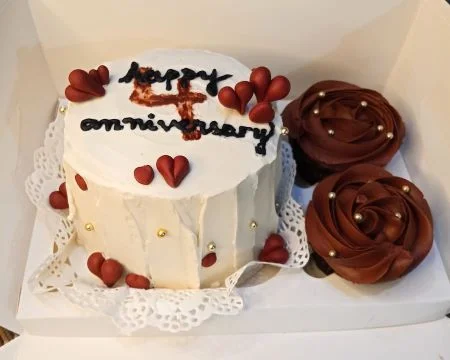
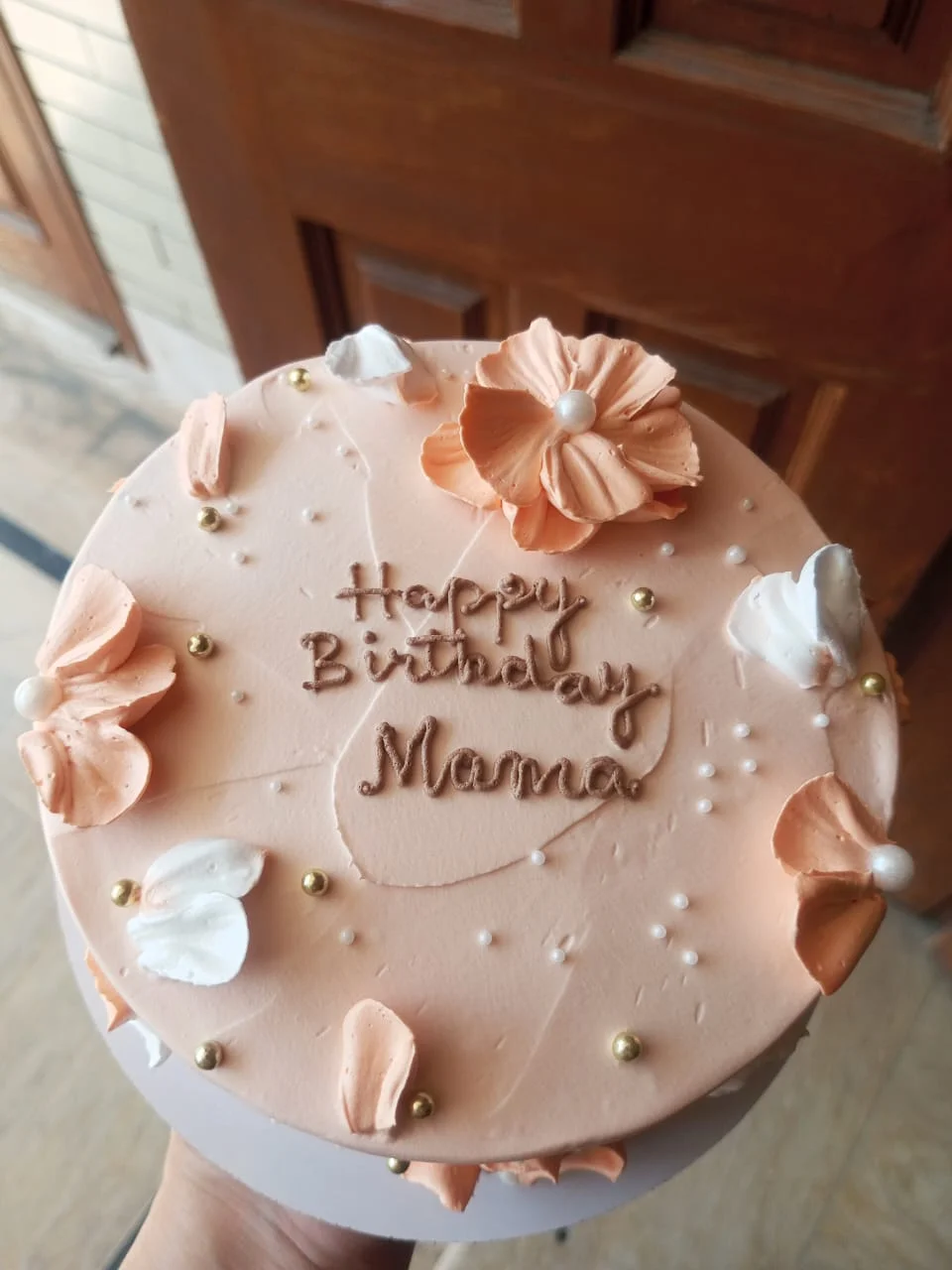
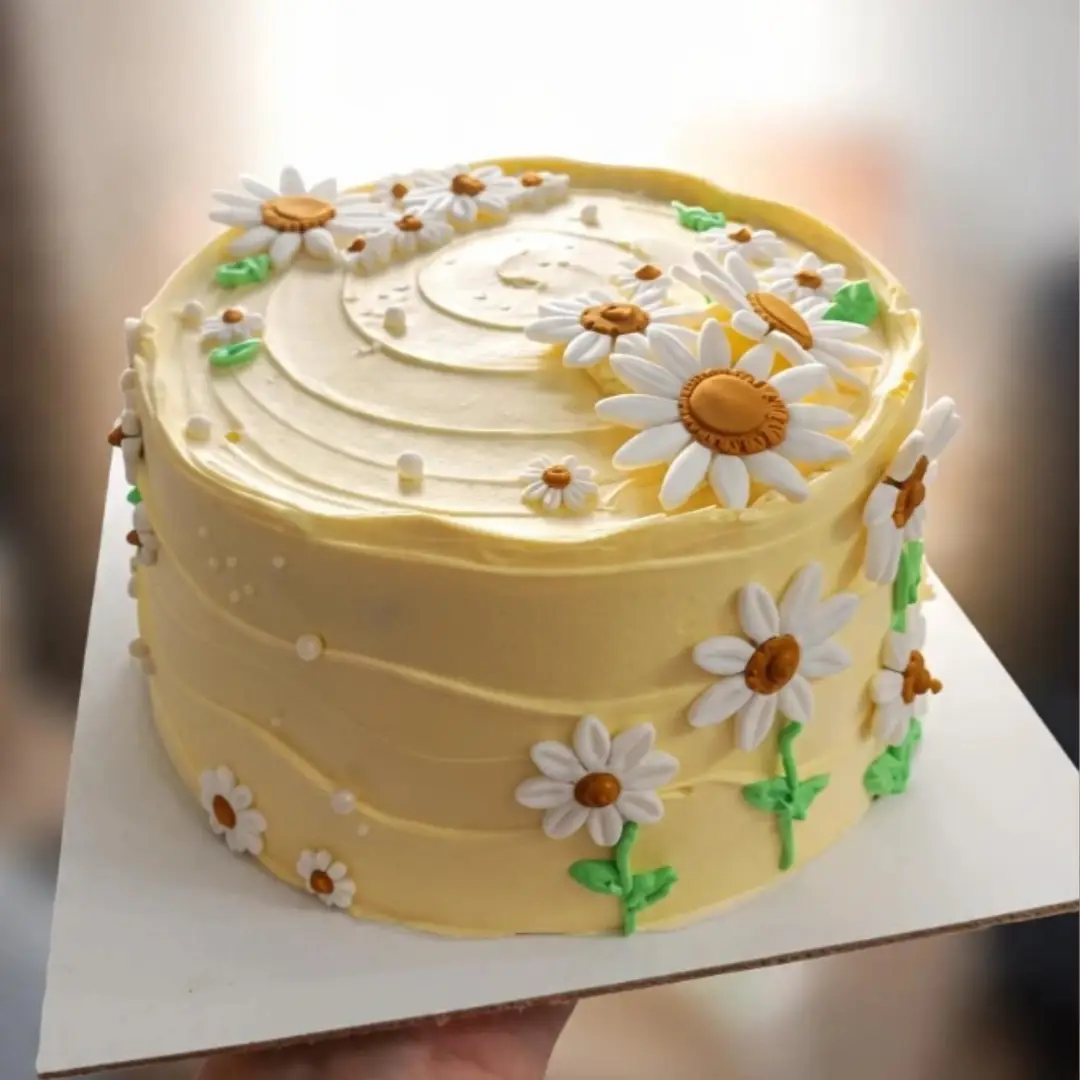
Buttercream is piped directly onto the cake using a piping bag, giving you anything from a perfectly smooth finish to textured rosette swirls or a palette-knife look. It's soft, easy to slice, and well suited to organic, hand-piped designs.
Fondant Work
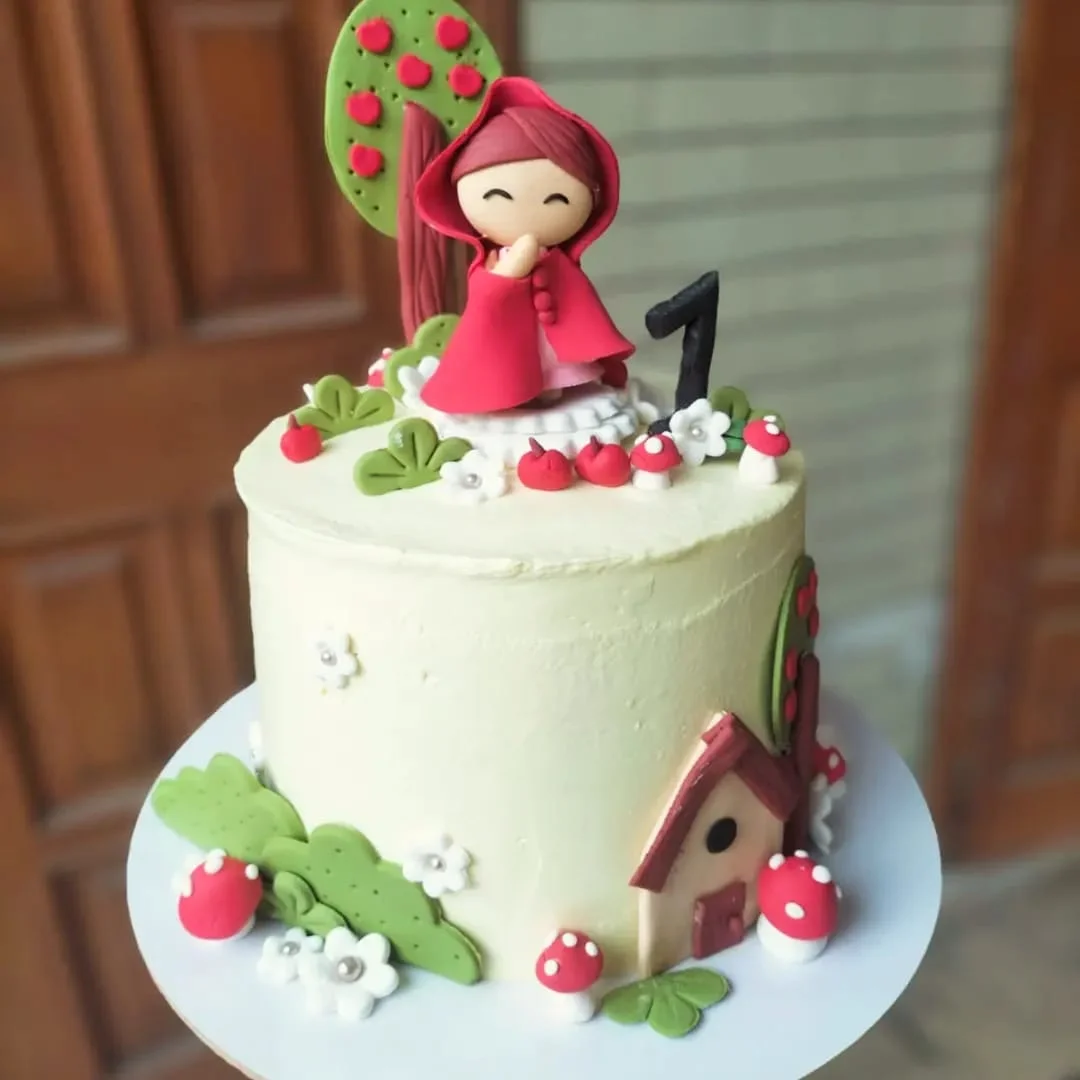
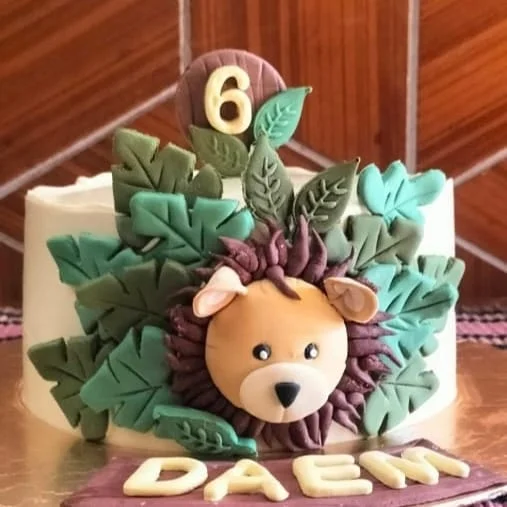
Fondant is a rolled icing that's draped over the cake to create a smooth, clean canvas, or cut and shaped into flat details like letters, patterns and florals. It holds sharp lines and fine detail far better than buttercream, which is why it's the go-to for character and theme designs.
Hand-Sculpted Fondant Figures
For toppers and figures — animals, characters, mini people — fondant is shaped and built by hand in stages, then left to firm up before final details like faces and textures are added. See our fondant works collection for examples of this kind of detailed figure work.
What Affects How Complex a Design Is
- The number of colors and how precisely they need to be matched.
- Whether the design includes hand-sculpted figures versus flat cut-out details.
- How many tiers are involved — see our guide on multi-tier cakes for more on how tiers affect planning.
- Fine detail work like lettering, texture, or layered elements that need to be built and dried in stages.
The Decorating Process, Step by Step
While every cake is different, most decorating follows a similar sequence: the cake is baked and cooled, layered and crumb-coated to seal in loose crumbs, then finished with the final layer of buttercream or fondant. Any hand-sculpted figures are usually made ahead of time so they can firm up before being placed, and fine detail work — piping, lettering, toppers — comes last.
How Long Does Decorating Take?
A simple buttercream finish can come together in a few hours, while a design with multiple hand-sculpted figures or detailed fondant work can take a full day or more of hands-on time. This is part of why more detailed designs benefit from extra notice — see our ordering timeline guide for specifics by occasion.
Choosing the Right Style for Your Cake
Buttercream textures tend to suit casual, playful celebrations, while fondant suits sharp, character-driven or formal designs. If you're planning something like a theme cake or exploring options for a fully custom cake, it's worth deciding early which style fits the occasion best.
What to Share With Your Baker Before Decorating Begins
A reference image, your preferred color palette, and any must-have details go a long way. For a full walkthrough of how to put this together, see our guide on communicating your cake vision.
Frequently Asked Questions
What's the difference between fondant and buttercream decorating?
Buttercream is piped directly onto the cake and gives a softer, textured or smooth finish, while fondant is a rolled icing that creates a clean, sculptable surface ideal for sharp lines, hand-sculpted figures and fine detail work.
Can any design be recreated in fondant?
Most designs can be adapted into fondant, though some may need small adjustments to work structurally in cake form. Sending a reference image is the best way to find out what's achievable.
Do hand-sculpted figures take longer than piped decorations?
Generally yes. A hand-sculpted fondant figure is built and detailed by hand, which takes more time than piping buttercream directly onto the cake, so it's worth requesting these a little earlier.
How do I know which decorating style fits my occasion?
Buttercream textures suit softer, organic looks and casual celebrations, while fondant suits sharp, detailed or character-based designs. Formal occasions often lean toward clean fondant or minimalist buttercream finishes.
Can decorating styles be combined on one cake?
Yes, this is common — a buttercream-finished cake with a hand-sculpted fondant topper or figure is one of the most popular combinations, giving you a soft base with a detailed focal point.

A home-based baker in Lahore, baking custom cakes, bento cakes, brownies and cupcakes made fresh to order.