How to Write on a Cake Without It Looking Messy
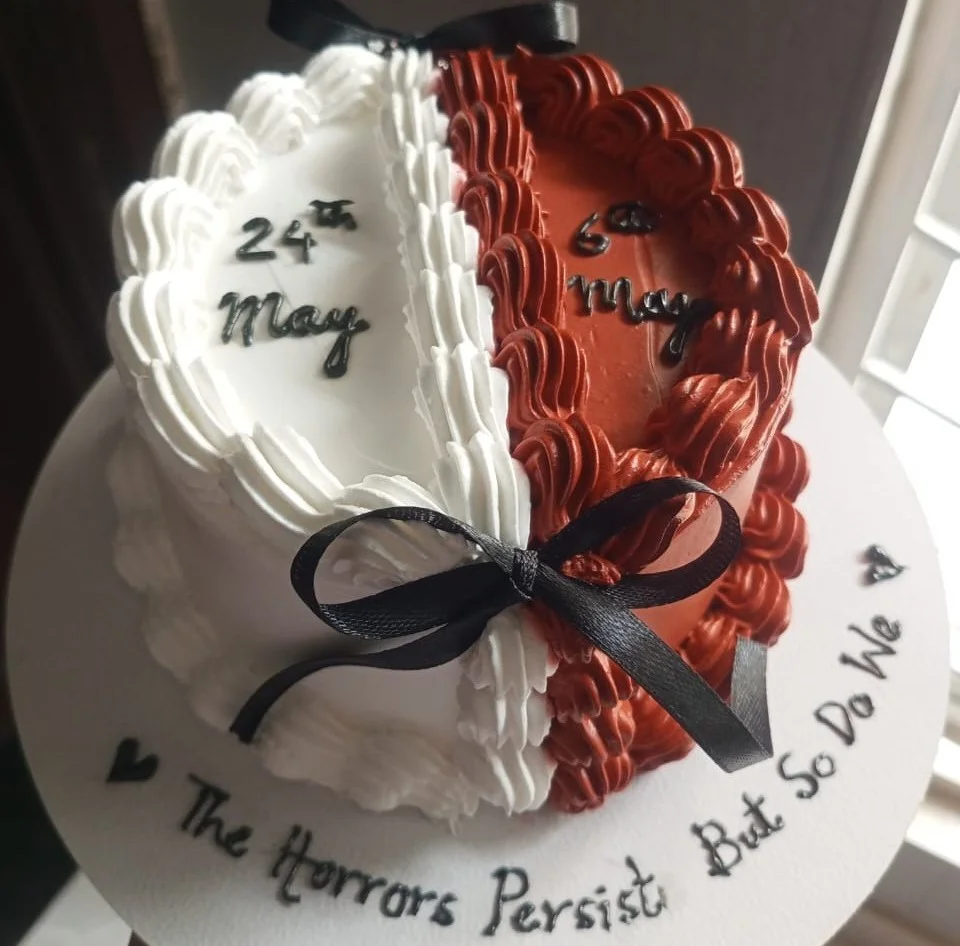
Out of everything that goes into finishing a cake, writing the message is the part that seems to make people the most nervous. It's usually the very last step, there's no undo button once it's piped, and somehow the letters that look fine in your head come out wobbly, uneven, or smudged the moment the tip touches the cake. The good news is that clean lettering has less to do with a steady hand and more to do with a few things you set up beforehand.
Why Cake Writing Goes Wrong in the First Place
Before blaming your hand-eye coordination, it helps to know that most messy writing is actually a frosting problem, not a piping problem. If the surface underneath is bumpy, still soft, or was never properly chilled, the tip will drag and tug at it with every letter, and even confident handwriting will come out looking shaky.
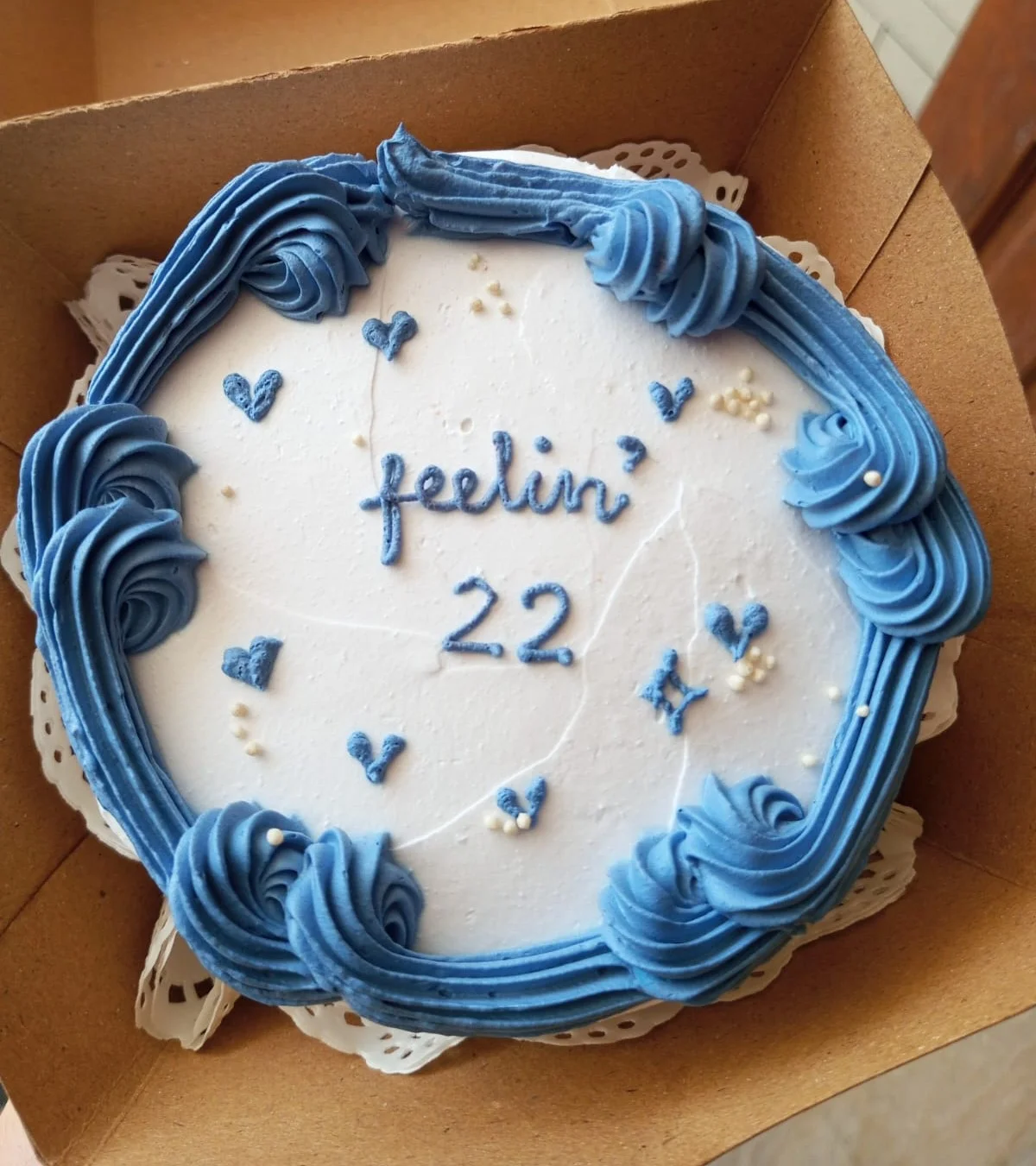
Getting the Base Right Before You Write Anything
Start With a Properly Smooth Surface
A crisp, even smooth frosting finish is what makes writing sit cleanly instead of catching on ridges or air bubbles. Chill the crumb-coated cake, apply the final layer, then smooth it with a bench scraper while it's still slightly soft, and let it firm up in the fridge before you pipe anything on top.
Chill Before You Pipe, Every Time
A cold surface holds a piped line far better than a room-temperature one. Even ten to fifteen minutes in the fridge right before writing makes a noticeable difference in how crisp your letters come out.
Pick the Right Tip Size
A small round tip — a size 1, 2 or 3 — is really the only choice for lettering. Larger tips tend to blob at the start and end of each letter, which is usually where writing starts to look uneven even when the rest of the message is fine.
Practicing the Message Before It Touches the Cake
Piping the exact wording onto a sheet of parchment paper or a plate first is one of those steps that feels unnecessary until you skip it. It lets you catch spacing issues, resize letters, or slow down your piping speed before there's anything permanent involved. Write the message two or three times, pick the version that flows best, and use that same pressure and pace on the actual cake.
What If You Don't Have a Piping Bag?
A full piping setup isn't actually required to write on a cake. A small cone rolled from parchment paper, snipped at the very tip, gives similar control for a fraction of the cleanup. A squeeze bottle with a fine nozzle works well for thinner glaze-style writing, and on a fondant surface, a food-safe edible marker can be an easier starting point for a beginner than piping at all.
A Note on Colored Lettering
If your message calls for colored icing, mix it the day before if you can — colors deepen and settle overnight, so what looks pale the first day is often closer to right by the next. For a more natural palette, look at budget-friendly ingredient swaps that also work well for naturally tinting frosting.
Fixing a Letter That's Already Gone Wrong
If a letter smudges partway through, resist the urge to keep going and hope it blends in. Lift it off with a small offset spatula while the icing is still soft, smooth that small patch of frosting back over, chill it for a few minutes, and re-pipe just that letter. Trying to fix mistakes on a fully dried surface is far harder than catching them early.
Ordering a Cake With a Custom Message From Us
If piping isn't something you want to take on yourself, we're always happy to handle the lettering for you. Send us the exact wording, spelling, and any color preferences when you place your order — our guide on communicating your cake vision walks through exactly what's helpful to share, and you can browse our custom cakes collection for more design inspiration.
Frequently Asked Questions
Why does my cake writing always look messy?
Most of the time it's not the writing itself — it's what's underneath it. A frosting surface that's bumpy, too soft, or not fully chilled will drag and smear the moment a piping tip touches it, no matter how steady your hand is.
What size piping tip is best for writing on a cake?
A small round tip, usually a size 1, 2 or 3, gives the cleanest lettering. Anything larger tends to blob at the start and end of each letter, which is where most writing starts to look uneven.
Can I write on a cake without a piping bag?
Yes — a small parchment paper cone, a squeeze bottle, or even a food-safe edible marker on fondant all work well, and can actually be easier for a beginner to control than a full piping bag.
Should I practice the message before piping it on the cake?
Always. Piping the exact message on parchment paper or a plate first lets you fix spacing and letter size issues before it's on the cake, where mistakes are much harder to undo cleanly.
Do you take custom cake message requests?
Yes, just let us know the exact wording, spelling and any color preferences when you place your order, and we'll take care of the lettering for you.

A home-based baker in Lahore, baking custom cakes, bento cakes, brownies and cupcakes made fresh to order.