Multi-Tier Cakes: What You Need to Know Before Ordering
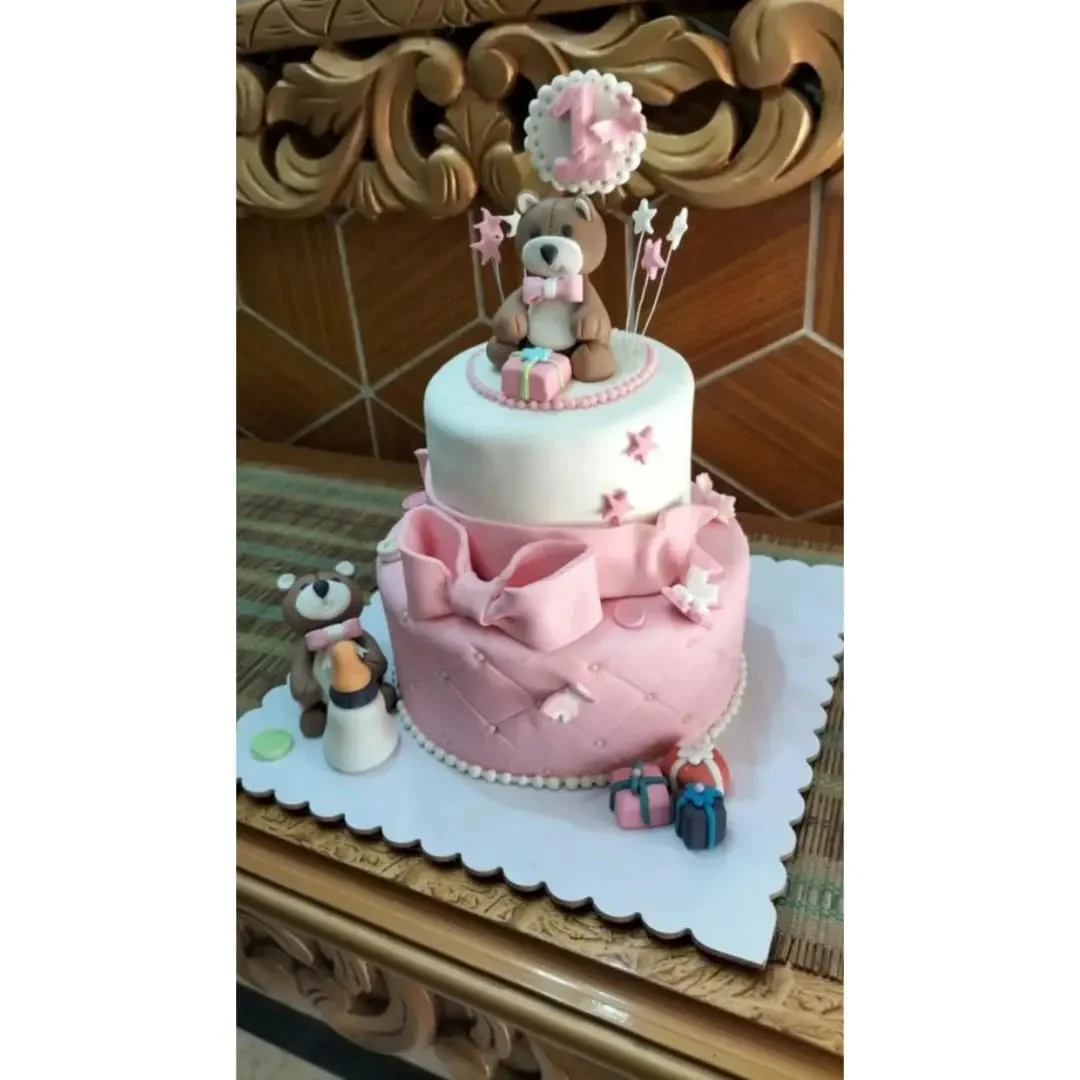
A tiered cake is one of the most striking centerpieces you can put on a dessert table, but it also involves a bit more planning than a single-layer cake. Here's what's actually worth knowing before you order one, whether it's for a wedding, an engagement, or simply a birthday that deserves a bigger centerpiece.
How Many Tiers Do You Actually Need?
This comes down to two things: how many guests you're serving, and how much visual presence you want. Two tiers work well for small-to-medium gatherings and already make a strong centerpiece. Three or more tiers suit larger weddings, or any celebration where you want a taller, more dramatic cake regardless of exact serving numbers.
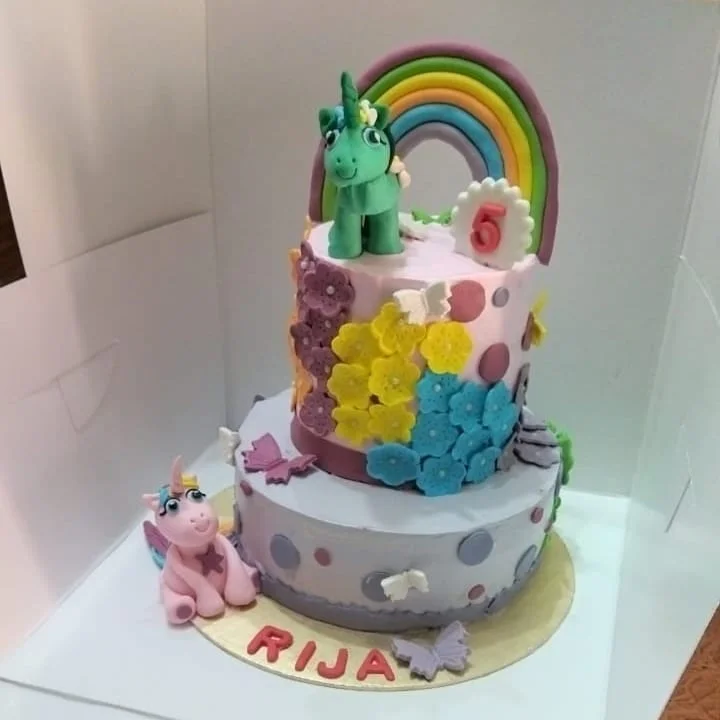
How Tiered Cakes Are Actually Built
Each tier is baked and finished on its own cake board, then internally supported with dowels that carry the weight of the tiers above — this is what keeps the bottom layer from being crushed under the cake's own weight. It's also why tiered cakes generally take more time to build than a single-layer design; see our decorating guide for more on how the overall process works.
Mixing Flavors Across Tiers
One of the best things about a tiered cake is that each tier doesn't have to be the same flavor. This is a simple way to please a wider range of guests while keeping the outside looking like one cohesive design. Browse our menu for flavor ideas to mix and match.
Tiered Cakes for Weddings & Engagements
Tiered cakes are especially popular for weddings and engagements, where a taller centerpiece suits the scale of the event. These designs often benefit from a bit more planning time, since they usually involve more detailed decoration across multiple tiers.
Transporting a Tiered Cake
Larger or taller tiered cakes are often safer to assemble on-site rather than transported fully stacked, since a stacked cake has more risk of shifting on the drive. For the full breakdown on getting a cake there safely, see our guide on transporting a decorated cake.
Planning Your Timeline
Tiered cakes generally need more notice than a single-tier cake — as a starting point, plan for 5 to 6 days depending on how detailed the design is. For a full breakdown by occasion, see our ordering timeline guide.
Frequently Asked Questions
How many tiers do I actually need?
It comes down to guest count and how much visual height you want. Two tiers comfortably serve small-to-medium gatherings, while three or more tiers suit larger weddings or when you want a bigger visual centerpiece regardless of serving size.
How is a tiered cake structurally supported?
Each tier sits on its own cake board and is supported internally by dowels or supports that carry the weight of the tiers above it, so the bottom layers don't collapse under the weight.
Can different tiers have different flavors?
Yes, this is common and a great way to please a wider range of guests — each tier can be a completely different flavor while still looking like one cohesive design.
Do tiered cakes need to be assembled on-site?
For larger or taller tiered cakes, on-site assembly is often safer, since transporting a fully stacked cake increases the risk of shifting. Smaller two-tier cakes can often travel already assembled with the right care.
How far in advance should I order a tiered cake?
Tiered cakes generally need more lead time than a single-tier cake, especially for weddings — 5-6 days' notice is a good starting point, more for highly detailed designs.
Ready to plan yours? Browse our tier cakes page for more design inspiration.

A home-based baker in Lahore, baking custom cakes, bento cakes, brownies and cupcakes made fresh to order.